Topic · 6 questions
Fort Wayne Basements and Sewers
Basements and sewers in Fort Wayne come down to one split: the pipe from your house to the public sewer is yours, the public sewer is City Utilities', and rain tests both.
Answered by the Three Rivers Home Water desk · Last updated
The short version
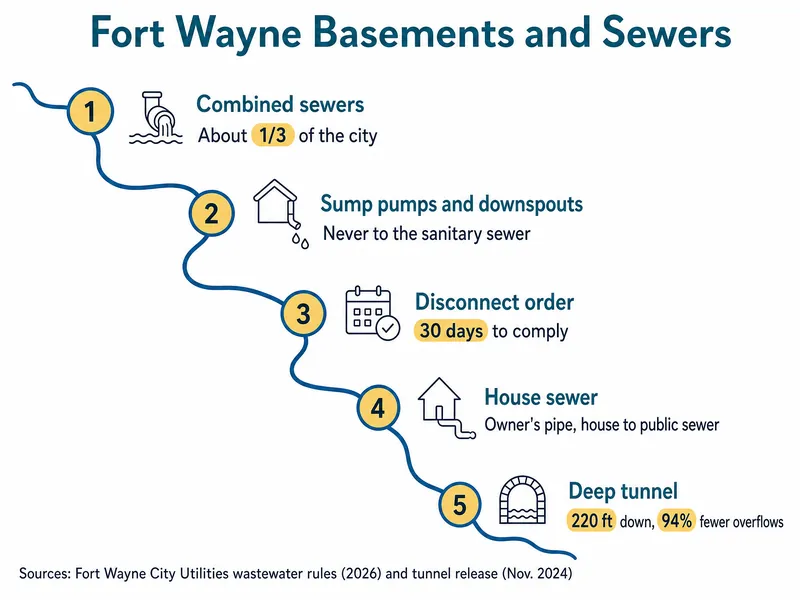
- City Utilities' 2026 wastewater rules say it has "no responsibility" for the building sewer, the private pipe from a house to the public sewer.
- Sump pumps, downspouts, yard drains and subsoil drains may not connect to the sanitary sewer "directly or indirectly"; after an order, owners get 30 days to disconnect.
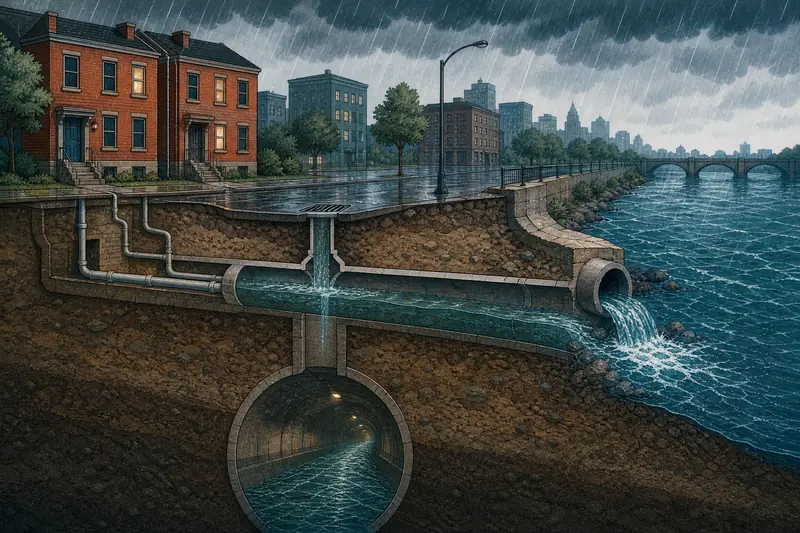
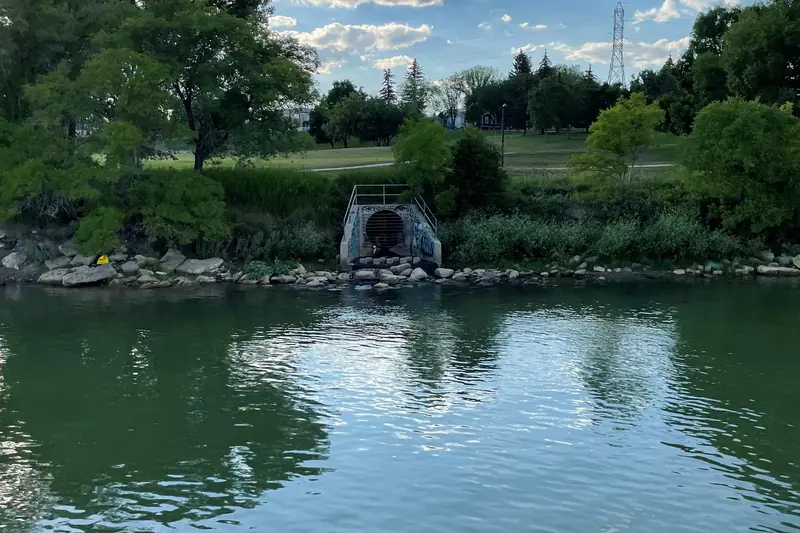
- Roughly a third of the city drains through combined pipes, and City Utilities counts 44 points where they can spill into the rivers.
- The 3RPORT tunnel, fully operational since November 14, 2024, is 24,519 feet long and about 220 feet deep; the city says it cuts overflows 94%.
- FEMA says homeowners policies "may not cover sewer backup"; ask your insurer about a sewer or drain backup endorsement.
Why do Fort Wayne basements flood?
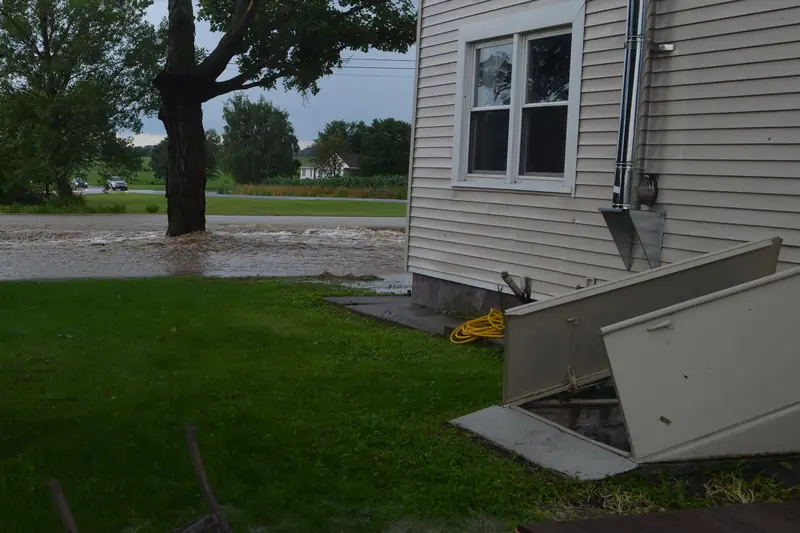
Most basement water arrives by one of four routes: groundwater through cracks, surface water through low openings, a sump pump that stops, or sewage pushed up a floor drain. FEMA's flooding advice for city households (2024, updated 2025) notes that surface water can fill a basement in minutes, while a sewer backup rises more slowly through narrow drain pipes. Knowing which route you have decides the fix.
 Why does a basement take on water in a storm?Basements and sewers
 Do I need a sump pump backup?Basements and sewers
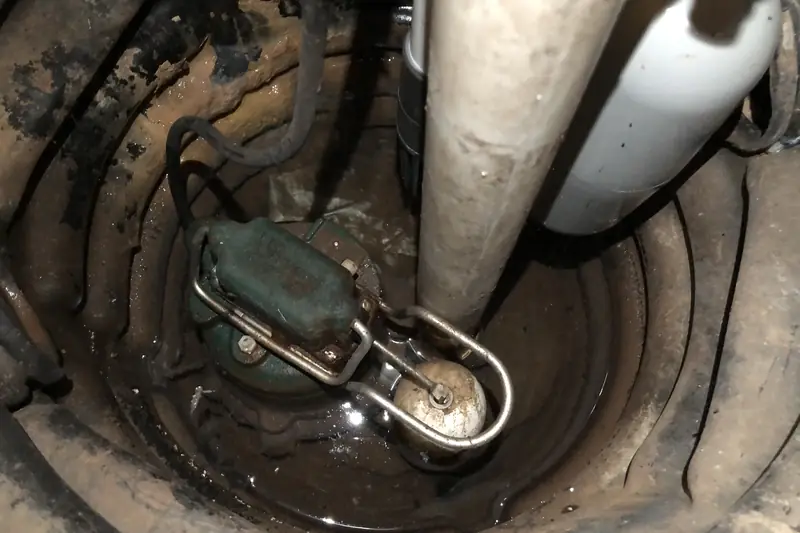
FEMA's checklist also says typical sump pumps "will not work when electricity is off" and that keeping one going in an outage takes battery storage or a generator. City Utilities' own heavy-rain advice is to consider an alternate power source if the pump runs often in dry weather.
What protects a basement from sewer backup?
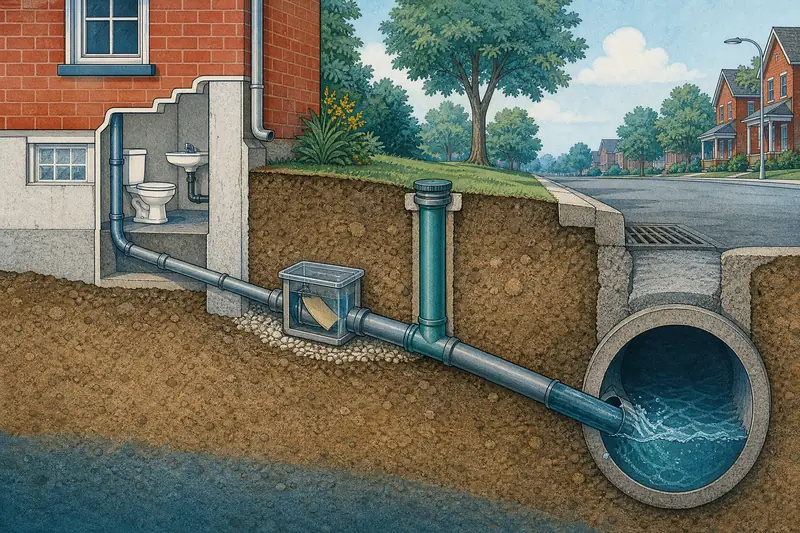
A backwater valve on the building sewer is the main defense, backed by a clean, root-free lateral. City Utilities' Prepare for Heavy Precipitation page tells owners to "install a back-flow prevention device on your building sewer," and to have the line de-rooted where there are trees. FEMA describes three valve types: check, gate and dual.
Where can a sump pump drain?
To your own yard or a stormwater outlet, never the sanitary sewer. The city's 2026 sewer rulebook sends disconnected drains to the owner's own ground or to storm sewers, inlets and similar stormwater outlets, and lets the utility order drains off combined sewers too.

| Part | Owner | Rule or advice | Where to start |
|---|---|---|---|
| Sump pump and discharge line | Homeowner | Not to the sanitary sewer, directly or indirectly | Sump pump drainage question |
| Building sewer (house to public sewer) | Homeowner | City "shall have no responsibility" for it | Sewer backup question |
| Backwater valve | Homeowner | City advises a backflow device on the building sewer | Backwater valve question |
| Public sewer main | City Utilities | Report problems through 311 | City Utilities |
| Combined sewer overflows | City Utilities | Consent decree target: about 71 a typical year down to 4 | CSO question |
Who pays for a sewer backup?
Usually the homeowner, or the homeowner's insurer if the policy has backup cover. The 2026 rules make owners responsible for the building sewer and say the owner indemnifies the city for damage "including water damages from the backup of the public sewer system." Federal flood insurance leaves out backed-up drains too, except where a wider flood is the direct trigger, according to FEMA. City Utilities also lists an optional service-line plan at $10.49 a month for sewer line repairs up to $25,000 (service line protection, read October 2026).
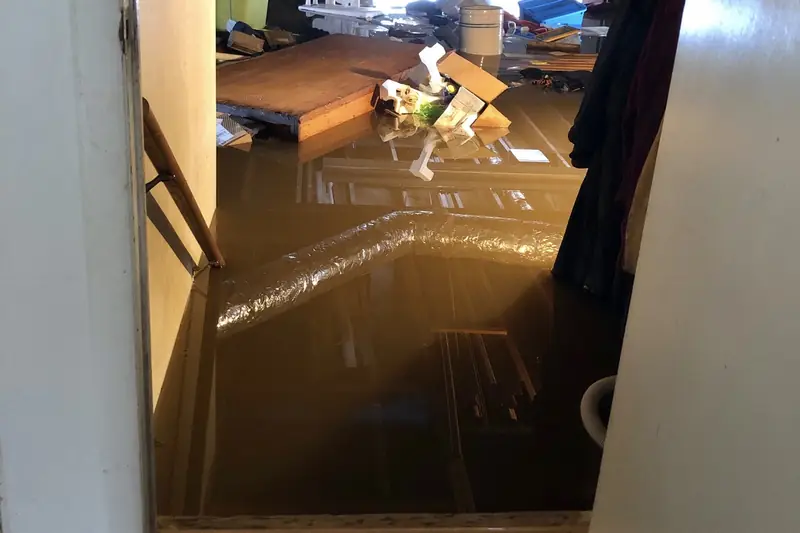
For cleanup, City Utilities' backup cleanup page calls for gloves and boots and a disinfecting mix of 1 part 5.25% laundry bleach to 9 parts water.
Basements and sewers by the numbers
- 1/3of Fort Wayne on combined sewersSource: City Utilities
- 44combined sewer overflow outfallsSource: City Utilities
- 30 daysto disconnect a sump pump or downspout after an orderSource: City Utilities wastewater rules (2026)
- 94%fewer overflows the city credits to the tunnelSource: City Utilities release (Nov. 2024)
- 15,000properties the city says the tunnel shields from backupsSource: City Utilities release (Nov. 2024)
What changed with the sewer tunnel?
Overflows to the rivers dropped, and some neighborhoods gained backup protection. City Utilities' November 14, 2024 release says the 24,519-foot tunnel, 16 feet across and 220 feet down, keeps "almost 900 million gallons of combined sewage" a year out of the St. Marys and Maumee and protects 15,000 properties by reducing basement backups and street flooding. The 2008 consent decree's plan targets about 4 overflows in a typical year, down from about 71. It does not change who owns your house sewer.
How this answer was put together
This topic page sums up the six basement and sewer answers on Three Rivers Home Water. Figures trace to the city's sewer rulebook (October 2026 revision); City Utilities' web pages on heavy rain, backup cleanup, line protection and overflows; the city's tunnel announcement from November 2024; and two FEMA documents, its 2024 flooding handbook for households and the 2021 federal flood policy, all read in October 2026. Three Rivers Home Water is run separately from City Utilities. Left out: prices for pumps, valves and repairs, and contractor names.
Follow-up questions
Is my basement on a combined sewer?
Roughly a third of the city is, per City Utilities, concentrated in the oldest neighborhoods. The utility's pages read for this site have no address lookup, so ask City Utilities through 311.
Does City Utilities pay for basement flooding?
Its 2026 rules say it has no responsibility for building sewers and that owners indemnify the city for backup damage. This site found no Fort Wayne cost-share program for backwater valves or downspout work.
Should I have both a sump pump backup and a backwater valve?
They guard against different water. A backup pump keeps groundwater out when the main pump fails; a backwater valve stops sewage coming up the drains. Homes with both problems need both.
Who do I call about a sewer problem in the street?
City Utilities takes calls through 311, including reports of sinkholes. Problems in the pipe between your house and the public sewer are yours to have fixed.
Can I get alerts about sewer overflows?
Yes. City Utilities' CSO notification page offers email notice of overflow events and posts a weekly spreadsheet of events from the past 7 days, updated on Wednesdays.
Does homeowners insurance cover sewer backup in Fort Wayne?
Not automatically. FEMA says homeowners policies may not cover sewer backup; ask your insurer about a sewer or drain backup endorsement and its limit.
Have another question? See every Fort Wayne home water answer.