Who Fixes a Sewer Backup in Fort Wayne?
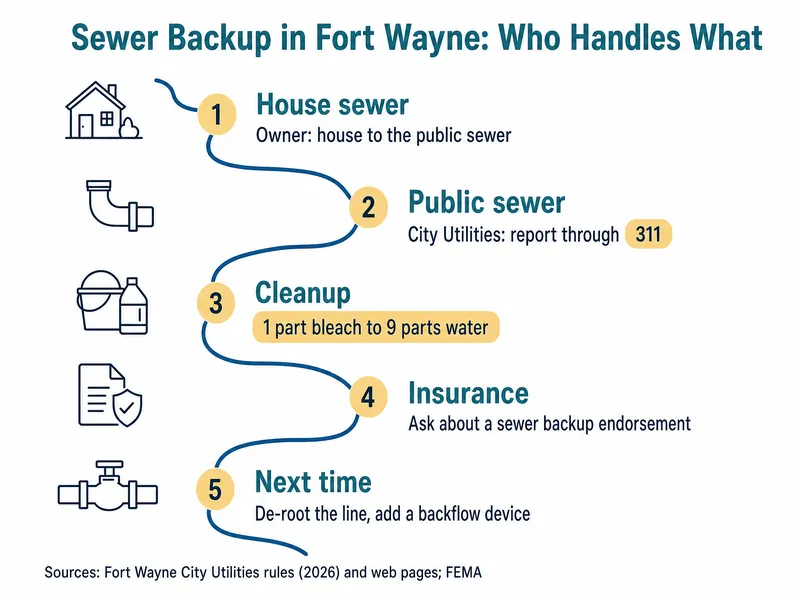
Who fixes a sewer backup in Fort Wayne? It depends where the blockage is: the pipe from your house to the public sewer is yours to fix, while problems in the public sewer go to City Utilities through 311.
Answered by the Three Rivers Home Water desk · Last updated
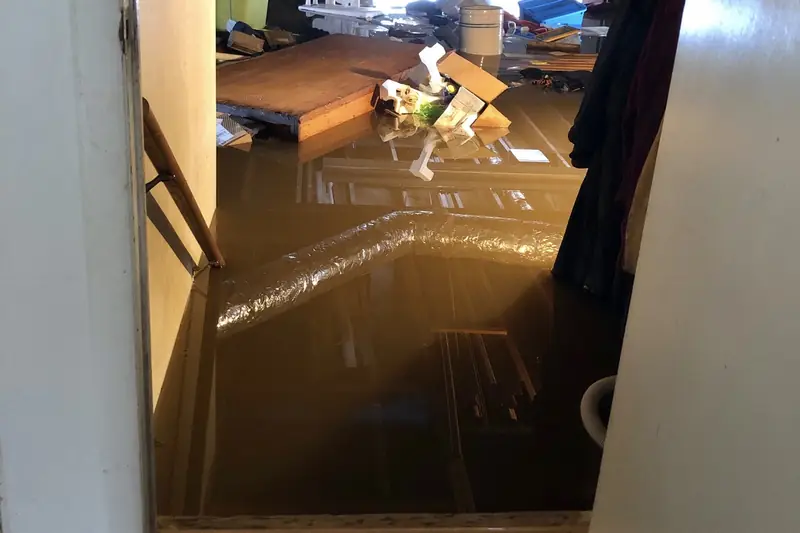
In this answer
The short version
- Fort Wayne's 2026 wastewater rules define the building sewer as "a private sewer that connects building plumbing to a public sewer," and say City Utilities has "no responsibility" for installing, maintaining or repairing it.
- City Utilities takes sewer problems in the public system through 311.
- For cleanup, City Utilities says to disinfect with 1 part 5.25% laundry bleach to 9 parts water and to avoid skin contact.
- FEMA cautions that ordinary homeowners coverage can exclude sewer backup, and the federal flood policy pays for it only when an area flood directly causes it.
- City Utilities offers an optional service-line plan: $10.49 a month for sewer or septic line repairs up to $25,000 (provider American Water Resources, read October 2026).
Who fixes a sewer backup in Fort Wayne?
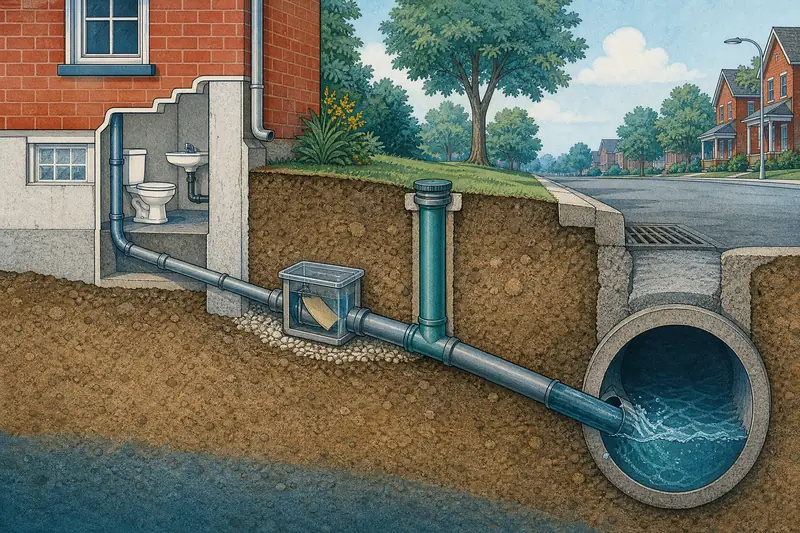
The owner fixes anything in the building sewer; City Utilities handles the public sewer. The utility's wastewater rulebook (latest revision October 20, 2026) draw the line. The building, or house, sewer is the private pipe that starts outside your foundation and runs to the public sewer. Under section 3, "City Utilities shall have no responsibility for the installation, maintenance, and repair of building sewers," including joints and fittings put in by a private contractor.
That makes most single-house backups the owner's job. The city's Prepare for Heavy Precipitation page puts it plainly: "The building sewer between your house and the public sewer line is your responsibility." It also says City Utilities and owners "share the responsibility" for keeping sewage out of homes, with the utility running the public system.
The rules go one step further on liability. The owner indemnifies the city for loss caused by the building sewer, "including water damages from the backup of the public sewer system." In other words, don't plan on the utility paying for basement damage.
Is the backup in your line or the city main?
Check the neighbors and check your fixtures. A backup that affects only your house, starts with slow drains, and shows up in the lowest fixture first is usually in your own line: roots, grease, a sag or a broken joint. FEMA's guide to flooding in cities notes that if your lateral is blocked, "sewage may back up into your home, even when the local sewer system is flowing freely."
Signs the public sewer may be involved:
- Several houses on the street back up at once.
- It happens during or just after very heavy rain, especially in the older, combined-sewer part of the city.
- Water rises from the floor drain even though nobody in the house is using water.
- A manhole in the street is overflowing, or the ground is sinking near the sewer.
If any of those fit, report it through 311; the city's heavy-rain page also asks residents to call 311 about sinkholes. If only your house is affected, a licensed plumbing contractor can snake the line from a cleanout and run a camera to find the cause. FEMA's guide describes that same sequence: snake from inside or from the yard cleanout, and if that doesn't clear it, inspect the whole line.
| Part of the system | Who owns it | Who to contact | Who usually pays |
|---|---|---|---|
| House drains and fixtures | Owner | A licensed plumbing contractor | Owner |
| Building sewer, house to public sewer | Owner (rules section 3) | A licensed plumbing contractor | Owner; a service-line plan may cover repairs |
| Public sewer main and manholes | City Utilities | 311 | City Utilities |
| Damage inside the house | Owner | Your insurer | Insurer only with backup cover; otherwise owner |
How do you clean up after a sewer backup?
Treat everything the water touched as contaminated. City Utilities' flood and sewer backup cleanup page says to avoid contact with the water, wear gloves and boots, and disinfect with a solution of 1 part laundry bleach (5.25% hypochlorite) to 9 parts water.
FEMA's guide adds the order of work:
- Photograph first, including close-ups of damaged equipment and the height the water reached.
- Call your insurer to report the claim as soon as you can.
- Keep the power off at the main breaker if water reached outlets or equipment, until an electrician checks it.
- Dry fast: open windows, run fans and dehumidifiers. Mold can start within 48 hours.
- Throw out porous items that can't be fully cleaned, such as carpet, padding, most drywall and insulation that got wet.
- Wash hard surfaces with soapy water, then disinfect. Never mix bleach and ammonia.
Keep children and pets out of the area until it is clean. The cleanup page also lists the Allen County Board of Health as a contact for health questions.
Does insurance cover a sewer backup?
Usually only if you added sewer backup coverage. FEMA's guide says a typical homeowners policy handles wind, storm and burst-pipe losses but can leave sewage and surface water out. Elsewhere it notes that many policies cover backups caused by a blocked lateral but generally not those caused by flooding.
A federal flood policy doesn't fill the gap. The NFIP dwelling policy excludes water that "backs up through sewers or drains" unless a general flood nearby is what directly caused it, and FEMA's page on basement flood coverage says NFIP basement coverage is limited.
Before the next storm, find out from your insurer if the policy carries a sewer or drain backup endorsement, what its limit is, and whether it covers finished basement space. Get the answer in writing.
Sewer backup numbers
- 311how City Utilities takes public sewer reportsSource: City Utilities
- 1:9bleach-to-water disinfecting mix for sewage cleanupSource: City Utilities
- $10.49a month for the optional sewer/septic line plan, up to $25,000Source: City Utilities service line protection page
- 15backup-only reports the city filed with IDEM, spring to summer 2026Source: City Utilities status report #37
How do you stop a sewer backup happening again?
Fix the cause in your own line, then add a valve if the street sewer is the threat. City Utilities' heavy-rain page gives two steps: if you have trees, "you may need to have your building sewer de-rooted," and "install a back-flow prevention device on your building sewer."
FEMA's guide adds routine care: have the lateral inspected and cleaned, replace clay or cast-iron sections that are failing with modern pipe, keep floor drains clear, and keep wipes, grease, fats and oils out of the drains. Its 2026 status report to regulators says the city hands out grease-control kits near blockages it has found.
For the valve itself, read whether your house needs a backwater valve. If the water in your basement wasn't sewage at all, start with the four ways rain gets into a basement.
What is a service line protection plan?
It is optional repair coverage for the buried lines you own, sold through the city by American Water Resources. City Utilities' service line protection page says "most Fort Wayne homeowners are responsible to maintain — and repair, if necessary — the underground water and sewer/septic service lines" on their property, and lists three plans as of October 2026:
- Sewer or septic line: $10.49 a month, up to $25,000.
- Water line: $6.49 a month, up to $25,000.
- Both: $14.98 a month, up to $50,000 combined.
A plan like this pays for repairing the pipe, not for cleanup or damaged belongings inside the house. Read the terms for what counts as a covered failure, and compare them with any line coverage your homeowners policy already offers.
How this answer was put together
Drawn from City Utilities' sewer rulebook in its October 20, 2026 revision (definitions and section 3); the utility's pages on heavy rain, backup cleanup and the service-line plan; the city's status report #37 to regulators (2026); FEMA's city flooding guide (2024, updated 2025); the federal flood policy's dwelling form (2021); and FEMA's basement coverage fact page (updated October 2025), all read in October 2026. Left out: contractor names, repair costs and insurance prices, none of which this site lists, and the city's 2018 public/private sewer policy, a scanned document whose text could not be read.
Follow-up questions
Does Fort Wayne own the sewer lateral under the street?
The 2026 rules define the building sewer as private and running to the public sewer, and say the city has no responsibility for building sewers or their connections installed by private contractors. The city's 2018 policy on the public and private split may give more detail; ask City Utilities about your address.
Who pays if city tree roots block my sewer line?
The rules make the owner responsible for the building sewer regardless of the cause. If you believe a public sewer or city work caused the problem, report it through 311 and keep your plumber's camera footage and invoice.
Who should I call first when sewage comes up the floor drain?
Stop running water, then check whether neighbors are affected. If they are, or a street manhole is overflowing, report it through 311; if it's only your house, call a licensed plumbing contractor. Either way, photograph the damage and tell your insurer early.
How long does sewage cleanup take?
It depends on how much water came in and what it soaked. FEMA notes mold can start within 48 hours, so drying and removing wet porous materials should start right away.
Should I keep using the toilet during a backup?
No. Every flush or drain adds water to a line that can't empty, and it will come out at the lowest opening, usually the floor drain.
Is the service line plan required in Fort Wayne?
No. City Utilities presents it as an optional program; you can decline it.
Next questions


Have another question? See the full list of Fort Wayne home water questions.